

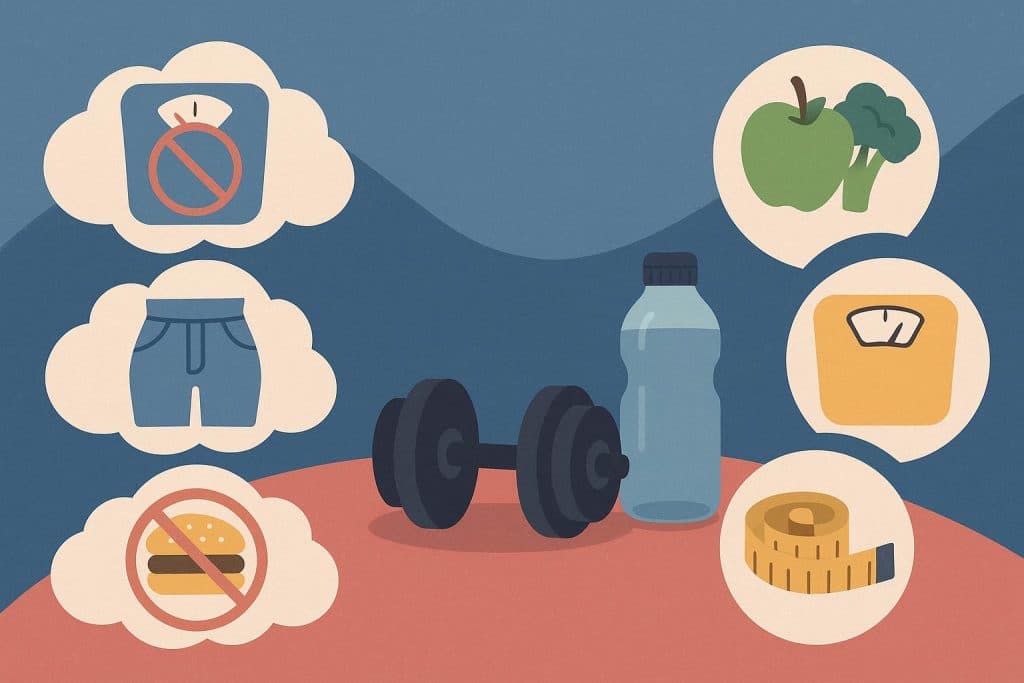
Navigating weight loss advice online can feel like a full-time job. A new “miracle” tip or forbidden food list trends every week, creating confusion and unsustainable habits. With so much noise, it’s hard to know what to believe.
As health news continues to be a top category for readers seeking clarity, we’re cutting through the clutter. Here’s a fact-check on five of the most persistent – and potentially harmful – weight loss myths circulating right now, and what the science actually says.
Myth 1: “Carbs Are the Enemy”
This is arguably the most pervasive myth, popularised by decades of fad diets. It wrongly vilifies an entire macronutrient group that includes everything from broccoli to candy.
- The Evidence-Based Truth: The key is differentiation, not elimination. Your body, especially your brain, relies on carbohydrates for energy. The problem lies in the type of carb and its effect on blood sugar. Highly processed, refined carbs (white bread, sugary cereals) cause rapid spikes and crashes, promoting fat storage and hunger. Conversely, complex carbohydrates from vegetables, legumes, and whole grains are packed with essential fibre. This fibre slows digestion, promotes satiety, and feeds a healthy gut microbiome – all crucial for metabolic health. Eliminating carbs often leads to fatigue, intense cravings, and nutrient deficiencies. A qualified weight loss nutritionist focuses on smart carb selection and portion timing tailored to your activity levels, rather than promoting blanket bans.
Myth 2: “You Must Exercise for Hours to Lose Fat”
The image of endless treadmill sessions is a major demotivator, making people think they don’t have the time to get results.
- The Evidence-Based Truth: Nutrition drives weight loss; exercise shapes health and body composition. While physical activity is non-negotiable for cardiovascular health, muscle preservation, and mental wellbeing, it’s a relatively inefficient way to create a calorie deficit compared to dietary adjustments. Excessive cardio can also increase appetite and cortisol (the stress hormone), sometimes counterproductively. Research shows that a combination of NEAT (Non-Exercise Activity Thermogenesis) – like walking more, taking stairs – and short, focused strength training sessions is far more sustainable. Strength training is particularly vital as it builds metabolically active muscle, which helps your body burn more calories at rest. The best exercise is the one you can consistently enjoy and recover from.
Myth 3: “Fat-Free & ‘Diet’ Foods are the Best Choice”
This myth is a legacy of 1980s dietary guidelines that the food industry happily perpetuates with clever marketing.
- The Evidence-Based Truth: Dietary fat is essential, not optional. Healthy fats from sources like avocados, nuts, seeds, and olive oil are critical for hormone production (including sex hormones and stress hormones), absorbing fat-soluble vitamins (A, D, E, K), and maintaining cell integrity. Furthermore, fat promotes satiety, helping you feel full longer. “Fat-free” or “lite” products often compensate for lost flavour with added sugars, salt, and artificial thickeners, which can be more disruptive to metabolism and insulin response than the fat they replaced. For sustainable health, prioritise whole foods in their natural state over processed “diet” substitutes.
Myth 4: “Eating Late at Night Causes Weight Gain”
This old adage suggests your metabolism has a strict curfew, turning any evening snack directly into body fat.
- The Evidence-Based Truth: Total daily energy intake is what matters most, not the clock. Your body doesn’t cease metabolic function overnight. Weight gain associated with late-night eating is typically a result of what and how much is consumed – often mindless, high-calorie snacking in front of screens after a full day’s meals. This adds a significant unplanned calorie surplus. If your schedule means you’re genuinely hungry in the evening, a small, protein-rich snack like Greek yoghurt or a handful of nuts is a metabolically sound choice. The focus should be on meeting your nutritional needs within your 24-hour cycle, not an arbitrary cutoff time.
Myth 5: “Willpower is the Key to Success”
This is perhaps the most damaging myth, framing weight struggle as a personal moral failing rather than a complex interplay of biology and environment.
- The Evidence-Based Truth: Biology, habit, and environment are stronger forces than sheer will. Willpower is a finite cognitive resource that depletes with stress, decision fatigue, and poor sleep. Relying on it sets you up for failure. Sustainable change is built by designing your environment for success (e.g., keeping healthy foods accessible), creating automatic routines (habit stacking), and understanding your body’s hunger and satiety signals. This is where professional guidance excels. A skilled online weight loss coach provides the external accountability, helps troubleshoot obstacles, and offers evidence-based strategies that move you beyond relying on willpower alone, creating a system for lasting success.
So to summarise, in an era of information overload, the most powerful step you can take is to question simplistic health claims. Lasting weight management isn’t found in extreme restrictions or fighting your physiology. It’s built on a foundation of nutritional science, consistent supportive habits, and a compassionate understanding of how your unique body works. By dismissing these common myths, you clear the path for a smarter, more sustainable approach to health.