

The warehouse industry looks completely different than it did ten years ago. Forklifts got smarter, inventory systems went digital, and same-day shipping became the new normal. But here’s something interesting. While all that flashy automation grabbed headlines, a quieter change was happening on warehouse floors everywhere. Digital screens started showing up in break rooms, near loading docks, and along picking aisles. And they’re doing way more than anyone expected.
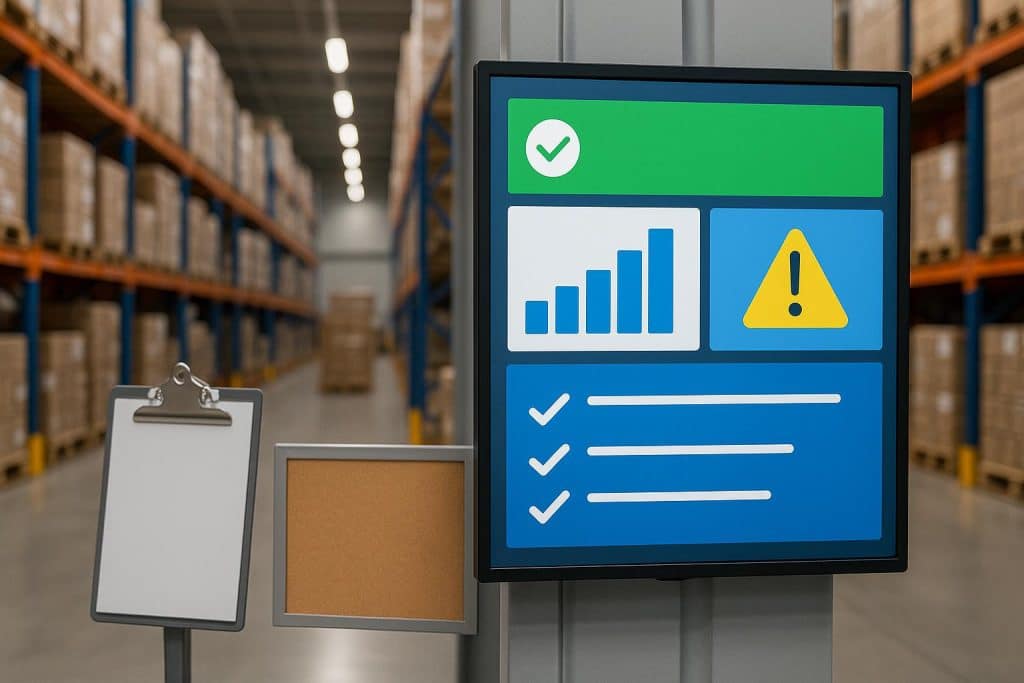
If you’ve walked through a busy distribution center lately, you’ve probably noticed warehouse facility signage that looks nothing like the faded paper signs from years past. These displays pull live data from inventory systems, flash safety reminders when forklifts enter certain zones, and update shift schedules without anyone having to print a single sheet of paper. The old way of posting memos on corkboards just can’t keep up anymore. When orders need to ship within hours and inventory counts change by the minute, static signs become useless almost as soon as someone tapes them to the wall.
The Communication Problem Nobody Talked About
Warehouses have always struggled with getting information to the right people at the right time. Think about it. Most workers spend their shifts moving around a massive building, operating equipment, or handling packages. They’re not sitting at desks checking email. They’re not in meetings getting updates from managers. Important information has to find them wherever they happen to be working.
For years, the solutions were pretty basic. Supervisors would walk around giving verbal updates. Break rooms had bulletin boards stuffed with outdated flyers. PA systems crackled announcements that half the floor couldn’t hear over the noise of forklifts and conveyor belts. None of it worked particularly well.
Digital signage fixed a lot of these headaches. Screens placed throughout the facility mean workers see updates no matter which zone they’re in. The content changes instantly when something needs attention. A shipment running behind schedule? It shows up on displays near the outbound docks. New safety protocol taking effect? Every screen in the building can show it simultaneously.
Real Numbers That Got People’s Attention
When logistics companies started tracking results, the numbers made executives sit up and pay attention. According to survey data from Logistics Management, a significant majority of warehouses now track productivity metrics of some type, with many displaying those metrics on digital screens where workers can see their progress throughout the day. Facilities that adopted this approach reported that goals were being hit more consistently.
Some case studies show impressive gains. One logistics company documented roughly a 30 percent improvement on a major productivity metric after rolling out screens showing live data. That same facility reported pallet movement increased by around 10 percent, and event attendance jumped noticeably because people actually knew what was happening and when.
These results won’t be identical everywhere, but they illustrate what’s possible. In an industry where margins stay tight and labor costs keep climbing, even modest improvements can make a real difference to the bottom line.
Safety Gets Visual
The Bureau of Labor Statistics tracks millions of workplace injuries every year, with transportation and warehousing consistently ranking among the higher-risk sectors. Traditional safety programs relied on annual training sessions and those mandatory posters nobody reads. Digital signage adds a dynamic layer to safety communication that paper simply can’t match.
Screens can flash alerts when conditions change. Wet floor near aisle seven? A warning pops up on nearby displays. Temperature in the cold storage section creeping out of range? Workers see it immediately. Forklift entering a pedestrian area? The system can trigger zone-specific notifications.
Some facilities program their signs to rotate through safety reminders throughout the day. Instead of the same poster hanging in the same spot for three years until it fades into background noise, workers see different tips and protocols on a regular basis. Studies suggest this kind of ongoing visual reinforcement can contribute to noticeable reductions in incident rates, though results vary depending on implementation.
The Deskless Worker Problem
Here’s something that often gets overlooked. About 80 percent of the global workforce doesn’t sit at a desk. They’re in warehouses, on factory floors, driving trucks, and working retail. Traditional corporate communication tools like email and intranet portals miss these people entirely.
Warehouse workers checking their company email during a shift? Not happening. But those same workers walk past digital screens dozens of times a day. They see updates in break rooms while grabbing coffee. They catch announcements near the time clock when they punch in. The information reaches them without requiring any extra effort on their part.
This matters even more during times of transition. Companies relocate operations, merge with other businesses, or restructure their distribution networks constantly. When an organization moves to a new region, coordination becomes everything. The logistics involved are similar to what individuals face during cross-country moving, where keeping everyone informed about timelines and expectations prevents chaos. Digital signage gives management a way to push updates to every corner of the operation, keeping the workforce aligned when things are changing fast.
Making It Actually Work
Not every digital signage rollout succeeds. Some companies throw screens on walls without thinking through what they want to accomplish. The displays end up showing the same stale content for weeks, and workers start ignoring them just like they ignored the old bulletin boards.
The facilities seeing real results treat their screens as living communication tools. Content gets updated regularly. Different zones show different information relevant to the work happening there. Break rooms might display company news and employee recognition. Loading docks show shipping schedules and truck assignments. Picking aisles displays real-time productivity against daily targets.
Integration with existing systems makes a huge difference too. When screens pull data directly from warehouse management software, inventory platforms, and scheduling tools, the information stays current without anyone manually updating it. Automation takes the burden off managers who have plenty of other things to worry about.
Where This Goes Next
Industry analysts estimate the warehouse digital signage market surpassed a billion dollars in 2024, with projections suggesting it could grow substantially over the next decade. That growth reflects something bigger than just a trend. As e-commerce keeps expanding and customer expectations for fast delivery keep rising, warehouses need every advantage they can get.
Future implementations will likely get smarter. Imagine screens that automatically adjust content based on what’s happening in real time. A surge in inbound shipments triggers updated instructions for receiving teams. A slowdown in picking triggers motivational content or reallocation notices. The technology to do this already exists. It’s just a matter of more facilities putting the pieces together.
For warehouse managers watching their competitors invest in these systems, the question isn’t really whether digital signage works. The evidence on that front looks pretty solid. The question is how long they can afford to keep running operations the old way while everyone else moves forward.