

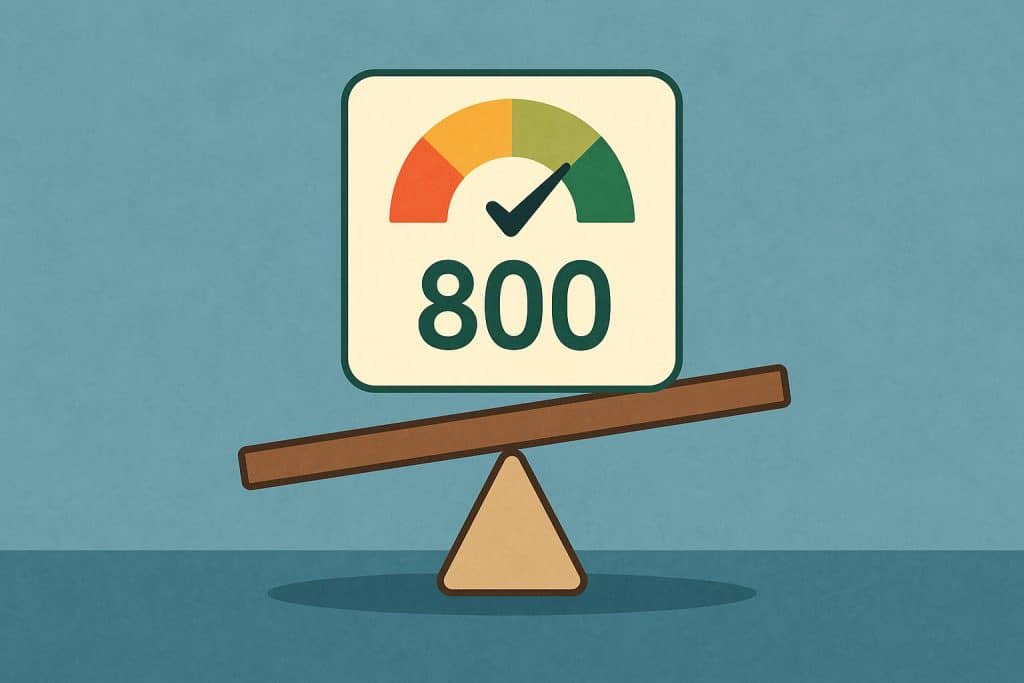
Credit is often treated like a score you check occasionally, but in reality, it acts as a quiet mirror of your overall financial behavior and stability. Instead of simply measuring whether you paid a bill on time, credit reflects your habits, your decision-making patterns, and your approach to managing responsibility. This is why improving your credit is not just about raising a number. It is about strengthening the habits that build long term financial confidence. For some people, tools such as debt settlement become part of that journey, helping them course correct and create a more stable foundation.
Credit As a Reflection of Stability
A strong credit profile signals to lenders, landlords, and even employers that you handle obligations consistently. It shows that you manage risk well and follow through on commitments. Just as importantly, it shows yourself that you are in control of your financial life. When you treat credit as a representation of stability rather than a simple metric, it becomes a guide. It highlights areas where your routines are strong and areas where habits might need attention. This perspective helps you improve your financial standing in a way that feels intentional instead of overwhelming.
Why Credit Reflects More Than Payment History
Payment history makes up a significant part of your credit score, but it is only one piece of the puzzle. Credit also evaluates how much of your available credit you use, how long you have managed accounts, how often you apply for new credit, and the mix of financial products you handle.
These factors combine to form a picture of your financial behavior. Even small decisions, like keeping an older credit card open or paying down a balance ahead of schedule, can strengthen your overall stability.
This broader view emphasizes that credit is not just about bills. It is about demonstrating responsibility consistently over time.
Building Trust Through Consistent Habits
Credit is fundamentally a trust system. Lenders want to know whether they can rely on you to repay what you borrow. A good credit score reassures them that you are dependable and organized. But trust is not built through grand gestures. It is built through small, consistent habits that show reliability.
Paying bills before the due date, keeping balances low, and checking your credit report regularly are simple actions that build trust over time. These behaviors also reduce stress by keeping your financial life organized.
The Consumer Financial Protection Bureau provides guidance on maintaining credit health with practical strategies. Their information on understanding credit reports and scores offers clear steps for monitoring and protecting your credit.
Managing Risk in a Way That Supports Stability
Credit scores partially measure how you handle risk. Using credit responsibly shows that you can manage borrowing without losing financial control. High balances or frequent applications for new credit can signal instability, even if you make payments on time.
This does not mean you should avoid credit entirely. Responsible use can strengthen your financial profile. The goal is to balance access with responsibility, keeping your accounts manageable and intentional.
Thinking of credit through a risk lens helps you develop better decision-making patterns. You learn to ask whether a new loan fits your long-term goals or whether a purchase will create unnecessary pressure.
Credit as a Tool for Opportunity
Good credit opens doors. It can lower interest rates, expand borrowing options, and make large purchases like homes or vehicles more affordable. It can also influence rental applications, insurance premiums, and even employment opportunities in some industries.
Seeing credit as a tool rather than a hurdle makes the process feel empowering. You are not improving credit to please a system. You are improving it to give yourself more choices and more financial security.
Resources from the Federal Trade Commission can help you explore your rights and protections when managing credit. Their guidance on credit and loans helps consumers understand how credit decisions affect daily financial life.
Building Stability Through Practical Steps
Improving your credit does not require dramatic changes. It requires practical, repeatable steps that build momentum. Some of the most effective include:
- Paying at least the minimum amount due each month, and more when possible.
- Reducing balances to keep your credit utilization low.
- Keeping accounts open to lengthen your credit history.
- Setting reminders or automations to prevent missed payments.
- Checking your credit report annually for errors or red flags.
Each small step contributes to a stronger credit foundation.
Recovering From Financial Setbacks Without Shame
Many people worry that past mistakes will define their credit forever. But credit is designed to evolve. Over time, positive habits outweigh temporary setbacks. Whether you faced medical bills, job loss, or unexpected emergencies, recovery is always possible.
Repairing credit is a process, not a judgment. By focusing on steady improvement rather than quick fixes, you can rebuild stability in a meaningful and lasting way.
Credit as a Reflection of Growth
Ultimately, credit reflects not just your financial behavior but your ability to learn, adapt, and stay disciplined over time. It is less about perfection and more about progress. When viewed through this lens, your credit becomes a story of your financial growth.
Treating credit as a reflection of your stability helps you make smarter decisions, build better habits, and prepare for future opportunities. With consistency and awareness, you can strengthen your financial foundation and move forward with confidence, knowing that your credit reflects the stability you continue to build every day.