

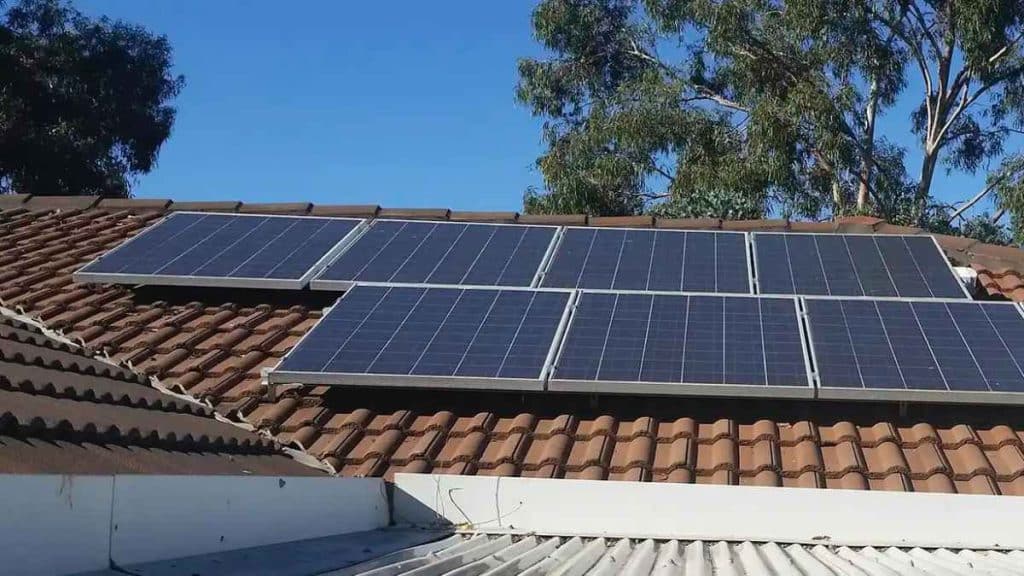
Switching to solar is siding with the environment – solar energy is non-polluting, doesn’t release greenhouse gasses, and repels carbon emissions. On top of that, the kind of savings that comes with installing a solar system is quite significant.
Since there’s an upfront cost involved in the installation of a rooftop solar system, there’s a solar system for home in India government subsidy scheme that’s been specially designed to help homeowners and housing societies.
Wondering what it is and how can you directly benefit from it? We have the answers for you.
Solar system for home in India government subsidy schemes
To begin with, it’s most important that you understand that earlier it was just the state-wise subsidy programme that was present in India. But now, there’s another nationwide subsidy programme that was recently launched. It’s known as the DBT (Direct Benefit Transfer) scheme.
We will now walk you through the specifics of both these solar systems for home in India government subsidy schemes that are currently active for homeowners and housing societies.
The state-wise solar subsidy scheme in India
The MNRE allocates solar installation targets to different states. State discoms release a solar tender and invite vendors for empanelment. Vendors place their bids and the one that bids the lowest gets the maximum allocation rights.
The quote of the winning vendor becomes the L1 price for the state against which the subsidy is offered. As you might have guessed already, L1 rates for different states differ and so does the subsidy.
Here’s an elaborated table to walk you through the solar system for home in India government subsidy (state-wise). Have a look!
| State | Solar system for home in India government subsidy for systems up to 3 KW | Solar system for home in India government subsidy for systems above 3 KW and up to 10 KW |
| Maharashtra | 1 KW = ₹16,560 2 KW = ₹33,120 3 KW = ₹49,680 | 4 KW = ₹55,440 5 KW = ₹63,360 |
| MP (Bhopal) | 1 KW = ₹15,640 2 KW = ₹31,280 3 KW = ₹46,920 | 4 KW = ₹54,320 5 KW = ₹62,080 |
| Gujarat | 1 KW = ₹16,396 2 KW = ₹32,793 3 KW = ₹49,189 | 4 KW = ₹60,900 5 KW = ₹69,600 |
| Delhi | 1 KW = ₹15,600 2 KW = ₹31,200 3 KW = ₹46,800 | 4 KW = ₹52,500 5 KW = ₹60,000 |
| UP | 1 KW = ₹14,800 2 KW = ₹29,600 3 KW = ₹44,400 | 4 KW = ₹46,200 5 KW = ₹52,800 |
| Haryana | 1 KW = ₹15,780 2 KW = ₹31,560 3 KW = ₹47,340 | 4 KW = ₹53,326 5 KW = ₹60,944 |
| Rajasthan | 1 KW = ₹16,396 2 KW = ₹32,793 3 KW = ₹49,189 | 4 KW = ₹60,900 5 KW = ₹69,600 |
| Chhattisgarh | 1 KW = ₹16,800 2 KW = ₹33,600 3 KW = ₹50,400 | 4 KW = ₹56,700 5 KW = ₹64,800 |
Now, the problem with the state-wise solar system for home in India government subsidy scheme is that the disbursement of subsidy to the vendor takes a lot of time. It becomes the bottleneck and delays the process of installation due to a lack of funds.
This is why, the new and improved solar system for home in India government subsidy scheme – known as DBT – was launched. Let’s find out the details.
DBT scheme through the National Portal for Rooftop Solar
Under the DBT scheme, the customer pays the entire cost of installation to the vendor. The best part about this scheme is that the customers get the subsidy amount directly into their bank accounts within 30 days after the solar system is commissioned. It simplifies the process and reduces the funnel.
Another benefit that the DBT solar system for home in India government subsidy scheme offers is that there’s one fixed rate card. Whether or not a state has an active subsidy programme, as long as you’re an Indian citizen, you’re eligible to apply for a subsidy.
Here’s the rate card of subsidy for your reference.
| Solar system’s capacity | Solar system for home in India government subsidy |
| Up to 3 KW | ₹14,588/KW |
| Above 3 KW – 10 KW | ₹14588/- per kW for the first 3kW and thereafter ₹7294/- per kW |
| Above 10 KW | ₹94822/- fixed |
Now that you know everything about the solar system for home in India government subsidy schemes, let’s walk you through the procedure to apply for the same.
How to apply for a solar panel subsidy in your state?
- Visit your state’s discom official website
- Choose a registered vendor
- A representative from the discom will inspect the site of installation for technical feasibility
- After a green signal from the discom, the vendor will begin the installation
- Next in line will be the commissioning of the net meter
- After commissioning, your system will become functional
- After the system will become functional, the discom will disburse the subsidy to the vendor
- Disbursement can take 3-6 months
How to apply for a solar panel subsidy in the DBT program?
- Visit the National Portal for Rooftop Solar
- Download the Sandes app
- Register on the portal
- Submit the application for installation
- A representative of the discom will inspect the site for technical feasibility
- If the site is found suitable for installation, the discom will provide an NOC
- Pick an empanelled vendor
- Sign an agreement with the vendor
- Make the full payment (including the subsidy you will receive later on)
- Post payment, the process of installation will begin
- After installation, a work completion report and the net meter installation request will have to be submitted
- You will receive a commissioning certificate
- Submit your bank account details and a copy of a canceled cheque on the National Portal for Rooftop Solar
- The details will be shared with the Fund Handling Agency
- The subsidy will be disbursed to your bank account within 30 days
Conclusion:
The main objectives behind the solar system for home in India government subsidy schemes are:
- Making things even more affordable for homeowners and housing societies
- Popularizing the mass adoption of solar
Keep in mind that the subsidy that’s being offered now will not be offered forever. So, why not take the financial help that is available today?